
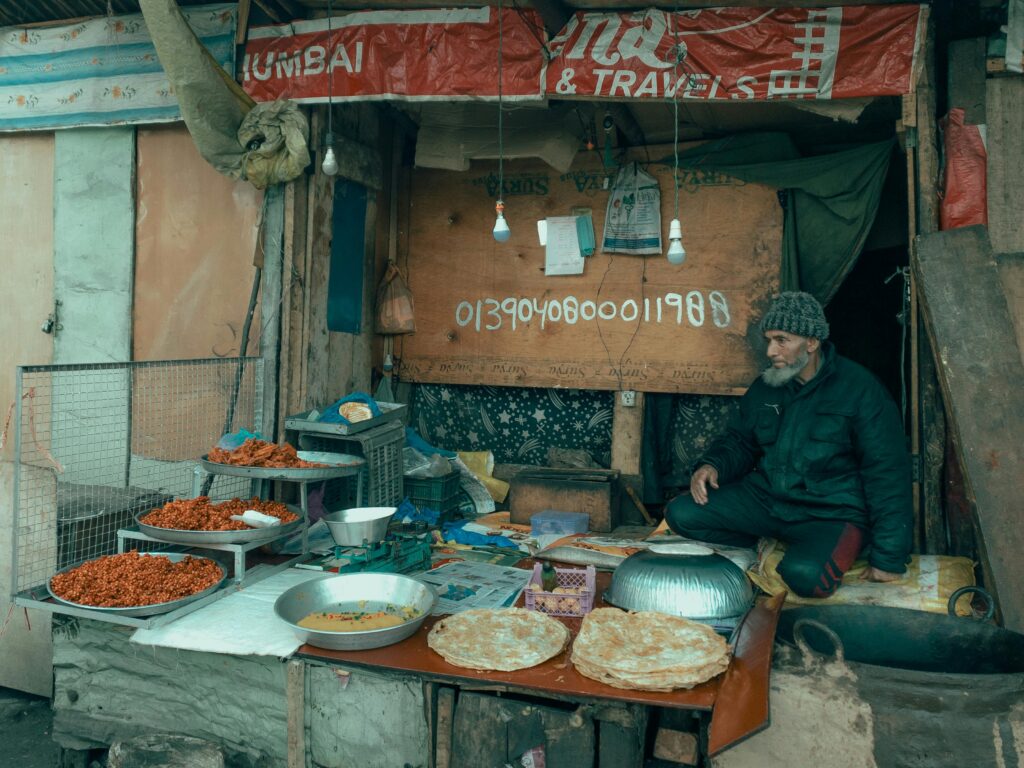
Why Desi Chinese Is Still India’s Most Loved Street Food
Author: Altaf Hussain
Why Desi Chinese Is Still India’s Most Loved Street Food
Walk through any bustling Indian market in the evening and you’ll hear it before you see it—the rhythmic clang of a metal spatula against a hot wok. Flames leap, garlic sizzles, soy sauce hisses on contact, and within minutes a steaming plate of noodles or Manchurian is ready to be devoured. Desi Chinese is not just food in India; it is an experience woven into everyday life.
From roadside carts to modern cloud kitchens, Indian Chinese cuisine continues to dominate the country’s street food scene. Its appeal cuts across age, region, and income levels. Decades after its introduction, it remains one of the most ordered, most loved, and most craved food categories in India.
This article explores the origins, evolution, flavors, cultural relevance, and lasting popularity of Desi Chinese street food—and why it continues to win India’s heart.
The Origins of Desi Chinese Cuisine
The story of Desi Chinese begins in Kolkata, home to one of India’s oldest Chinese communities. Chinese immigrants, primarily of Hakka origin, settled in the city centuries ago. They brought with them traditional cooking methods, ingredients, and techniques. Over time, these culinary practices merged with Indian ingredients and taste preferences.
Authentic Chinese dishes were gradually adapted. Local vegetables replaced imported greens. Indian green chilies intensified the heat. Garlic was used more generously. Cornflour gravies became thicker and richer to suit local preferences. The result was a bold, spicy, and flavorful fusion cuisine that felt both exotic and familiar.
What began as a community cuisine in Kolkata eventually spread across India, evolving with every region it touched.
What Defines Desi Chinese Food
Desi Chinese, also known as Indo-Chinese cuisine, is characterized by its high heat, vibrant flavors, and street-style presentation. It borrows cooking techniques from Chinese culinary traditions—particularly stir-frying in woks—but adapts seasoning and ingredients to match Indian palates.
Common features include:
Strong garlic and ginger flavors
Generous use of green chilies
Thick cornflour-based gravies
Soy sauce blended with Indian spices
Quick cooking over high flames
Customizable spice levels
Unlike traditional Chinese cuisine, which often balances subtle flavors, Desi Chinese celebrates intensity. It is spicy, tangy, slightly sweet, and deeply satisfying.
The Rise of Desi Chinese as Street Food
Street food in India thrives on affordability, speed, and flavor. Desi Chinese checks all these boxes effortlessly. Vendors can prepare noodles, fried rice, or Manchurian in minutes. Ingredients are inexpensive and widely available. Portions are generous enough to share.
From hand-pulled carts to semi-permanent stalls, Chinese street food vendors began appearing in nearly every city. In neighborhoods of Mumbai, Chinese bhel and Schezwan rice became evening staples. In Delhi, college students flocked to local stalls for spicy noodles after classes. In Bengaluru, Indo-Chinese became a go-to comfort meal for young professionals.
Its adaptability made it a perfect fit for India’s vibrant street culture.
Iconic Dishes That Define the Cuisine
Certain dishes have become synonymous with Desi Chinese. These are not merely menu items; they are culinary landmarks.
Hakka Noodles
Hakka noodles represent the essence of Indo-Chinese cooking. Stir-fried with cabbage, carrots, capsicum, soy sauce, and chili, they are simple yet deeply flavorful. Available in vegetarian, chicken, egg, and paneer variations, they cater to every preference.
The aroma of noodles tossed in a blazing wok is instantly recognizable and universally loved.
Gobi Manchurian
Perhaps the most famous vegetarian Indo-Chinese creation, Gobi Manchurian features crispy fried cauliflower florets coated in spicy, glossy sauce. It is crunchy, tangy, and fiery—perfectly aligned with Indian taste preferences.
Many consider it a purely Indian innovation rather than a Chinese import.
Chicken Manchurian
Chicken Manchurian took the same flavor profile and applied it to meat, quickly becoming a favorite across restaurants and street stalls. Served dry or with gravy, it pairs perfectly with fried rice or noodles.
Schezwan Fried Rice
Though inspired by Sichuan flavors, Indian Schezwan rice is much spicier and richer. Bright red and intensely flavored, it showcases the boldness that defines Desi Chinese.
Chinese Bhel
An inventive street snack popularized in Mumbai, Chinese bhel combines crispy fried noodles with onions, sauces, and spices. It merges the concept of traditional Indian bhel with Indo-Chinese flavors, creating a crunchy, tangy delight.
Cultural Influence and Emotional Connection
Desi Chinese is deeply tied to memory and nostalgia. For many Indians, it recalls school trips, college canteens, birthday parties, and late-night food runs with friends. Its affordability made it accessible to students and families alike.
The cuisine also reflects India’s cultural openness. It demonstrates how global influences can be embraced and transformed into something uniquely Indian. Rather than preserving strict authenticity, Desi Chinese celebrates adaptation.
In areas like Tangra in Kolkata, restaurants run by Chinese-Indian families still preserve the roots of this culinary tradition while catering to modern tastes.
Regional Variations Across India
Desi Chinese changes subtly from region to region.
In Mumbai, dishes tend to feature sweeter sauces and creative fusions such as triple Schezwan rice. In Delhi, flavors are often extra spicy and heavy on garlic. In Bengaluru, Indo-Chinese blends with cosmopolitan dining culture. In southern cities like Chennai and Hyderabad, local spice blends influence seasoning, adding distinctive heat.
These regional interpretations keep the cuisine dynamic and exciting.
The Role of Sauces in Defining Flavor
Schezwan and Manchurian sauces form the backbone of Indo-Chinese cuisine. Schezwan sauce is typically made with dried red chilies, garlic, and oil, delivering smoky heat. Manchurian sauce combines soy sauce, vinegar, chili paste, and cornflour for a thick, glossy texture.
These sauces have become household staples, available in supermarkets across India. Many families now prepare Desi Chinese dishes at home, further expanding its reach.
Modernization and Digital Growth
With the rise of food delivery platforms, Desi Chinese has expanded beyond the street. Cloud kitchens specialize exclusively in Indo-Chinese menus. Branded chains offer standardized flavors. Hygiene standards have improved in many places, while maintaining the quick, fiery cooking style that defines the cuisine.
Food vloggers and social media influencers have also played a role in keeping Desi Chinese relevant. Viral videos showcasing cheese-loaded Manchurian or oversized Schezwan platters attract millions of views. The cuisine evolves while retaining its core identity.
Economic Importance
Desi Chinese supports thousands of small vendors, suppliers, and delivery workers. It forms a vital part of India’s informal economy. From sauce manufacturers to vegetable wholesalers, many livelihoods depend on its popularity.
Its affordability ensures steady demand, even during economic slowdowns.
Why It Continues to Dominate
Despite the rise of Korean, Japanese, Thai, and Mexican cuisines in urban India, Desi Chinese remains unmatched in reach and emotional appeal. Its flavors are familiar yet exciting. It can be indulgent or simple. It is equally suited for a quick snack or a full meal.
Most importantly, it belongs to everyone. Whether in a metropolitan hub or a small town, you are likely to find a Chinese food stall serving noodles and Manchurian.
Its endurance lies in its flexibility. It adapts to changing tastes, health trends, and cooking methods while preserving the bold flavors people crave.
The Future of Desi Chinese
The future of Indo-Chinese cuisine looks promising. Health-conscious variations using less oil and alternative grains are emerging. Vegan adaptations are gaining traction. Fusion dishes continue to push boundaries.
Yet at its heart, Desi Chinese remains simple: high heat, strong flavors, and quick satisfaction.
As long as there are bustling streets, hungry students, and families looking for affordable comfort food, the sound of a sizzling wok will continue to echo across India.
Conclusion
Desi Chinese is more than a culinary trend. It is a symbol of migration, innovation, and India’s love for bold, spicy food. From its origins in Kolkata to its dominance in cities like Mumbai and Delhi, it has grown into a national favorite.
Its ability to evolve without losing its identity ensures that it will remain India’s most loved street food for years to come.
Written by Altaf Hussain
Leave a Reply