
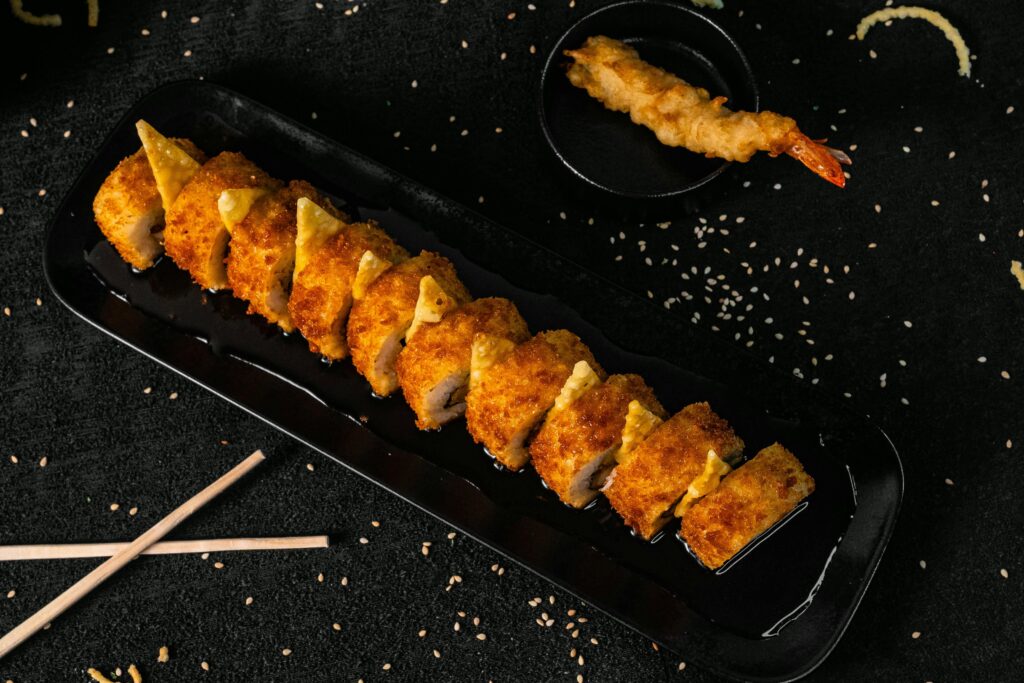
Tempura Paneer & Other Desi Takes on Japanese Classics
Introduction: Reinventing Japanese Classics with Desi Flavors
Japanese cuisine is celebrated worldwide for its precision, delicate flavors, and artistic presentation. Dishes like tempura, sushi, and ramen are global favorites. In India, chefs have creatively adapted these Japanese classics, blending them with bold Indian spices, marinades, and textures.
One standout innovation is Tempura Paneer, where India’s beloved paneer is given a Japanese twist, combining crispy tempura batter with savory, spiced flavors. This article explores how Indian kitchens are reimagining Japanese dishes, making them accessible, flavorful, and distinctly Indo-Japanese.
The Concept of Indo-Japanese Fusion
Indo-Japanese fusion, often called Jap-Desi cuisine, is defined by:
Ingredient Innovation: Using Indian staples like paneer, chicken tikka, or spiced vegetables instead of traditional Japanese proteins.
Flavor Integration: Balancing Japanese umami and mild seasoning with Indian spices like chili, garam masala, and turmeric.
Technique Fusion: Combining Japanese cooking techniques (tempura frying, sushi rolling) with Indian marination and spice layering.
Visual Appeal: Maintaining Japanese presentation aesthetics while adding vibrant Indian colors and garnishes.
This fusion makes Japanese classics more approachable to Indian palates while creating exciting culinary experiences.
Essential Ingredients for Desi Takes on Japanese Classics
Japanese Essentials
Tempura batter or flour
Sushi rice and nori sheets
Soy sauce, mirin, miso paste
Fresh seafood or vegetables
Indian Essentials
Paneer, tandoori chicken, masala vegetables
Tandoori spices, chili powder, turmeric, garam masala
Yogurt-based marinades
Fresh herbs: cilantro, mint
Fusion Staples
Schezwan sauce, tandoori mayo, masala soy glaze
Pickled Indian vegetables
Garnishes like sesame seeds, chili threads, and microgreens
Key Techniques for Indo-Japanese Fusion
Tempura Frying with Indian Proteins: Paneer, chicken, or vegetables are marinated in Indian spices and coated in tempura batter for crispiness.
Fusion Sushi Rolling: Nori sheets filled with Indian-spiced proteins and vegetables, rolled tightly and garnished with fusion sauces.
Masala Broth Ramen: Ramen broth infused with Indian spices and topped with tandoori proteins or spiced vegetables.
Marination and Grilling: Indian marination techniques enhance flavor and add depth before applying Japanese cooking methods.
Signature Dishes and Recipes
Tempura Paneer
Paneer cubes marinated in tandoori spices
Lightly dipped in tempura batter and fried until crisp
Served with mint chutney or tandoori mayo
Tandoori Salmon Nigiri
Salmon marinated in Indian spices and lightly seared
Placed atop sushi rice and garnished with microgreens
Masala Vegetable Tempura
Seasonal vegetables coated in tempura batter
Tossed with Schezwan or chili garlic sauce
Paneer Sushi Maki
Tandoori paneer, cucumber, and carrot rolled in sushi rice and nori
Served with mint-tamarind dipping sauce
Indo-Japanese Ramen
Spiced broth with ramen noodles
Tandoori chicken, mushrooms, or paneer as toppings
Garnished with coriander and fried garlic
Fusion Sushi Rolls
Chicken tikka or paneer tikka as filling
Rolled with avocado, cucumber, and rice
Finished with tandoori mayo or masala soy drizzle
Plating and Presentation Tips
Even with bold Desi flavors, presentation follows Japanese principles:
Arrange sushi rolls neatly with uniform slices
Drizzle sauces creatively for visual impact
Use fresh herbs, edible flowers, or microgreens for garnish
Serve tempura on absorbent paper to retain crispiness and avoid sogginess
Health and Nutrition
Paneer provides protein and calcium
Vegetables add fiber and vitamins
Baking or lightly frying tempura reduces oil content
Fusion sauces can be portioned to maintain calorie control
Popular Trends in India
Growing popularity of Jap-Desi restaurants in metro cities
Street food adaptations with Indo-Japanese flair
Social media sharing of visually appealing fusion sushi and tempura
Experimentation with vegan or plant-based proteins like tofu or jackfruit
Challenges in Adapting Japanese Dishes
Balancing spices so they complement but don’t overpower delicate Japanese flavors
Maintaining tempura crispiness with Indian proteins
Sourcing fresh seafood or Japanese staples in India
Educating diners unfamiliar with Japanese cuisine
Tips for Home Cooks
Start with paneer or vegetables before attempting seafood
Marinate proteins briefly to avoid overpowering Japanese flavors
Use fresh ingredients and practice rolling sushi for consistency
Adjust spice levels gradually
Experiment with garnishes and sauces for creativity
Frequently Asked Questions
Is Tempura Paneer spicy?
Spice can be adjusted; typically mild to medium for broader appeal.
Can these dishes be made vegetarian?
Yes, paneer, tofu, and vegetables work perfectly.
Do I need professional tools?
Basic tools like a sharp knife, bamboo mat, and frying pan are sufficient.
Are these fusion dishes healthy?
Yes, with fresh ingredients, controlled oil, and portioning, they are nutritious.
Conclusion: Embracing Desi Innovation on Japanese Classics
Indo-Japanese cuisine, exemplified by Tempura Paneer and other fusion dishes, represents the creativity of Indian chefs in reimagining Japanese classics. By combining Japanese techniques with Indian spices and presentation, chefs have created dishes that are flavorful, visually stunning, and accessible to a wide audience.
Whether dining out or experimenting at home, these Desi takes on Japanese classics are a must-try for anyone exploring fusion cuisine in 2026.
Written by: Altaf Hussain
Leave a Reply