
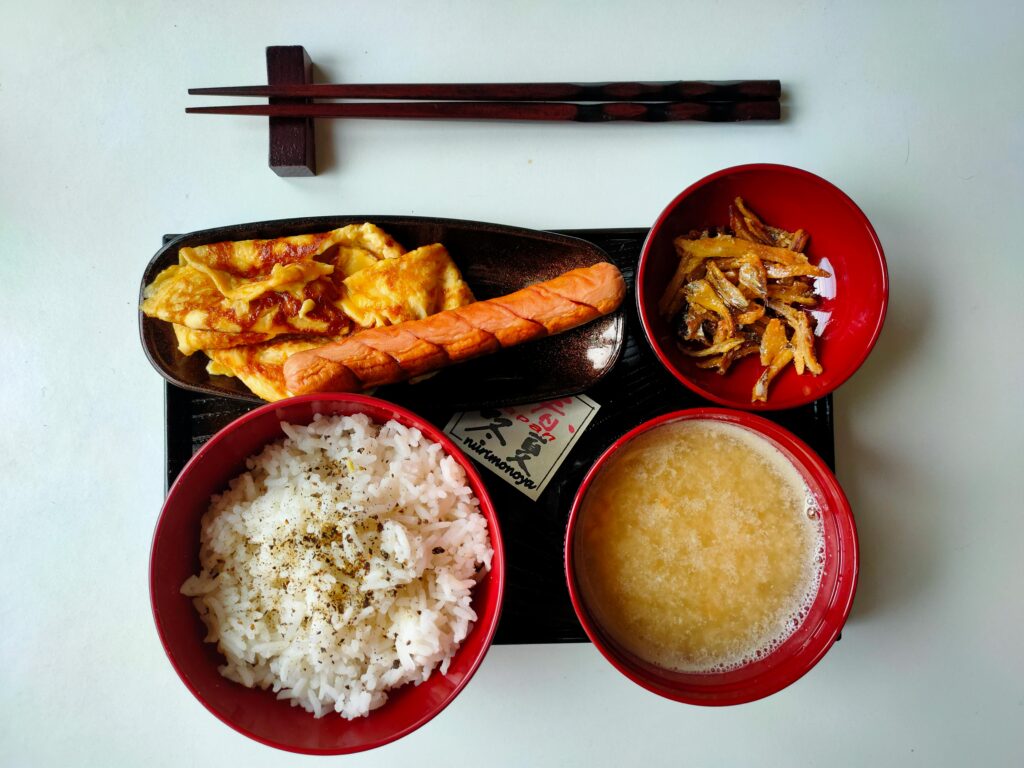
Miso Rasam & Other Savory South Asian‑Japanese Blends
Introduction: The Rise of South Asian‑Japanese Fusion
Culinary innovation thrives where cultures meet. South Asian‑Japanese fusion is a growing trend, blending Japanese techniques and ingredients with South Asian flavors, spices, and cooking styles.
A standout creation in this movement is Miso Rasam, a unique soup that combines Japanese miso’s umami depth with the tangy, spiced essence of South Indian rasam. This dish exemplifies how fusion cuisine can transform traditional dishes into something exciting, familiar yet novel.
This article explores the evolution, ingredients, techniques, and signature dishes of South Asian‑Japanese fusion, providing home cooks and chefs with a comprehensive guide to creating these savory blends.
Understanding the Fusion
South Asian‑Japanese culinary fusion thrives on balancing flavors, textures, and techniques:
Japanese Influences: Precision, umami-rich broths, sushi rice, miso, and tempura techniques.
South Asian Influences: Bold spices, aromatic herbs, tangy tamarind, coconut, curry leaves, and regional vegetables.
Fusion Principles: Combining umami depth with spice layers, maintaining clean presentation while embracing color and texture, and substituting local ingredients creatively.
The result is a dynamic cuisine that feels authentic yet inventive.
Key Ingredients in South Asian‑Japanese Blends
Japanese Essentials
Miso paste (red, white, or mixed)
Soy sauce and mirin
Dashi stock or kombu and bonito alternatives
Ramen or sushi noodles
South Asian Essentials
Tamarind, curry leaves, mustard seeds
Fresh herbs: coriander, mint
Spices: chili powder, turmeric, cumin, black pepper
Lentils, coconut milk, vegetables
Fusion Staples
Miso Rasam: miso combined with South Indian spices and tamarind
Masala-soy sauces for stir-fries
Spiced tempura batters with Indian aromatics
Garnishes: fried curry leaves, sesame seeds, chili threads
Techniques for Creating South Asian‑Japanese Fusion
Broth Infusions: Combining miso with tamarind, coconut milk, or Indian spice blends for layered flavors.
Marination: Proteins or vegetables are marinated with Indian spices before Japanese cooking techniques like tempura frying.
Stir-Fry & Tempura: Vegetables and proteins are lightly battered or wok-tossed with masala and soy-based sauces.
Noodle Integration: Ramen or soba noodles are paired with Indian curries or spiced broths.
Garnishing & Presentation: Japanese minimalism meets Indian vibrancy using fresh herbs, fried spices, and colorful vegetables.
Signature Dishes
Miso Rasam
Japanese miso paste blended with South Indian rasam spices, tamarind, and curry leaves
Optional protein: tofu, shrimp, or chicken
Served hot as a comforting fusion soup
Tandoori Tempura Vegetables
Seasonal vegetables marinated in tandoori spices
Coated in tempura batter and fried until crisp
Served with a miso-tamarind dipping sauce
Curry Leaf Sushi Rolls
Sushi rolls filled with paneer, spiced vegetables, or tandoori chicken
Garnished with fried curry leaves and sesame seeds
Paired with tamarind-miso glaze
Masala Ramen
Ramen noodles in a spiced miso broth infused with cumin, coriander, and chili
Topped with tandoori protein, sautéed mushrooms, or paneer cubes
Coconut Miso Soup
Classic miso soup with South Indian coconut milk
Enhanced with curry leaves, chili, and coriander
Spiced Tofu Nigiri
Tofu cubes marinated in Indian spices
Seared and served on sushi rice with soy-chili drizzle
Plating and Presentation Tips
Presentation remains key even in fusion cuisine:
Use minimalistic Japanese arrangements with a pop of South Asian color
Garnish with fried curry leaves, herbs, or chili threads
Serve broths in simple bowls with clean lines
Highlight textures with tempura, noodles, and fresh vegetables
Health and Nutrition
South Asian‑Japanese blends are nutritious when prepared thoughtfully:
Miso and tofu provide plant-based protein and probiotics
Lentils and vegetables add fiber, vitamins, and antioxidants
Broths are hydrating and low-calorie
Controlled use of oil and frying maintains healthfulness without sacrificing flavor
Trends and Popularity
Home Cooks: Experimenting with miso and Indian spices for soups and curries
Restaurants: Jap-Desi fusion menus with signature dishes like Miso Rasam and Masala Ramen
Social Media Influence: Instagram-friendly plating and vibrant colors increase popularity
Vegan and Vegetarian Focus: Tofu, paneer, and vegetables feature prominently in fusion dishes
Challenges in Fusion Cooking
Balancing miso’s subtle umami with bold Indian spices
Maintaining noodle texture in spiced broths
Ensuring authentic flavors without overwhelming Japanese simplicity
Ingredient sourcing, especially for miso, dashi, and seasonal Japanese vegetables
Tips for Home Cooking
Start with simple fusion soups like Miso Rasam
Adjust spice intensity gradually
Use fresh ingredients for vibrant flavors
Experiment with garnishes for visual appeal
Combine Japanese techniques (steaming, tempura) with Indian spices carefully
Frequently Asked Questions
Is Miso Rasam spicy?
Spice levels can be adjusted; typical recipes balance umami with mild Indian spices.
Can these fusion dishes be vegetarian?
Yes, tofu, paneer, and vegetables are ideal substitutes for seafood or meat.
Do I need professional Japanese ingredients?
Miso paste and soy sauce are essential, but other Japanese ingredients can be adapted or substituted locally.
Are these dishes healthy?
Yes, with fresh ingredients, controlled oil use, and balanced spices, these dishes are both nourishing and flavorful.
Conclusion: The Future of South Asian‑Japanese Fusion
Miso Rasam and other savory South Asian‑Japanese blends demonstrate the creative possibilities when two rich culinary traditions meet. These dishes are not just flavorful but also visually appealing, nutritious, and versatile for both home cooks and restaurants.
As 2026 progresses, expect to see more innovative fusion dishes combining Japanese techniques with South Asian spices, vegetables, and proteins. This culinary trend reflects the global evolution of food—celebrating tradition while embracing creativity and innovation.
Written by: Altaf Hussain
Leave a Reply