
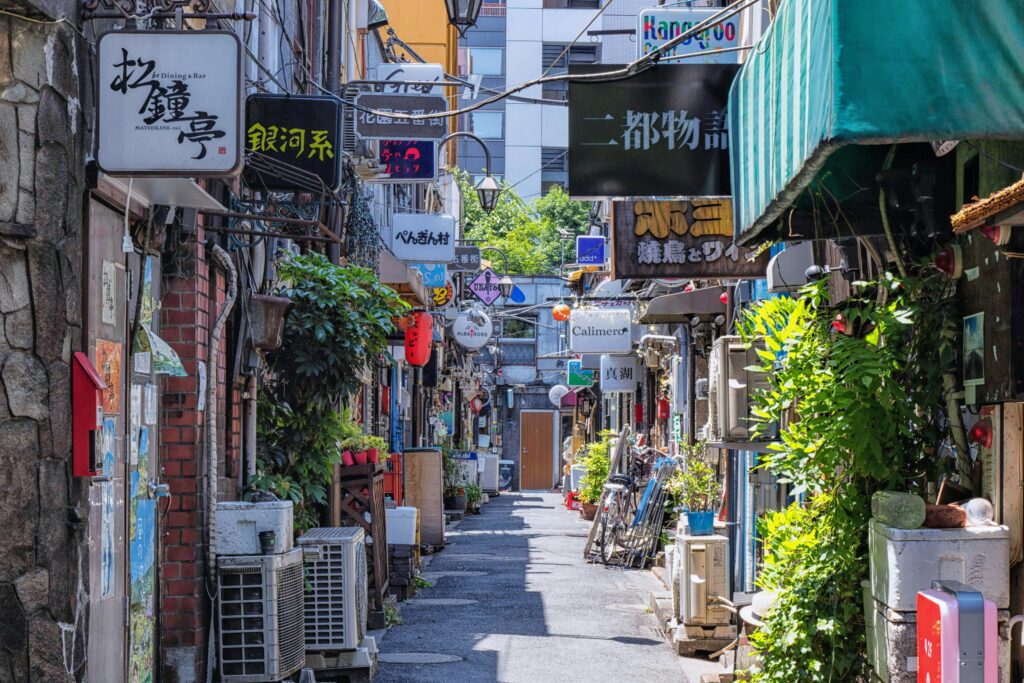
Best Japanese Desi Restaurants in Urban Hubs
Introduction: The Rise of Japanese Desi Cuisine in Urban Centers
Urban dining has witnessed a culinary revolution with the emergence of Japanese Desi cuisine. Blending Japanese techniques and South Asian flavors, these restaurants offer a unique experience that appeals to adventurous food lovers.
From sushi rolls infused with tandoori spices to ramen enhanced with masala broths, the Jap-Desi movement has transformed traditional Japanese fare to suit Indian and South Asian palates. In this article, we explore the top Japanese Desi restaurants in urban hubs, highlighting their specialties, ambiance, and culinary philosophy.
What Defines a Japanese Desi Restaurant?
Japanese Desi restaurants fuse authentic Japanese techniques with South Asian spices and ingredients. Key characteristics include:
Fusion Dishes: Sushi, ramen, tempura, and nigiri with Indian twists like paneer, tandoori chicken, or spiced vegetables.
Innovative Sauces: Incorporation of Schezwan, tandoori mayo, masala soy, and chutney-based glazes.
Presentation: Japanese minimalism blended with Indian vibrancy and color.
Ambiance: Modern interiors with subtle cultural nods, often combining Japanese serenity with Indian warmth.
Urban Hubs Leading the Fusion Movement
Major cities have become epicenters for Jap-Desi cuisine:
Delhi NCR: Known for high-end fusion restaurants and casual sushi bars.
Mumbai: Offers innovative street-style fusion alongside premium dining experiences.
Bangalore: Focuses on contemporary presentations and tech-savvy culinary concepts.
Kolkata: Blends Japanese traditions with local Bengali flavors.
Hyderabad & Pune: Smaller urban hubs experimenting with Indo-Japanese street food concepts.
Signature Dishes in Japanese Desi Restaurants
Sushi & Nigiri Innovations
Tandoori Salmon Nigiri: Salmon seared with Indian spices on sushi rice.
Paneer Maki Rolls: Paneer tikka rolled with cucumber, carrots, and nori.
Spicy Chicken Sushi: Chicken tikka-infused rolls finished with Schezwan soy drizzle.
Ramen with a Twist
Masala Broth Ramen: Japanese ramen with an Indian spiced broth.
Tandoori Chicken Ramen: Grilled tandoori chicken atop ramen noodles.
Vegetable Curry Ramen: Indian curry-inspired ramen with seasonal vegetables.
Tempura & Grilled Specialties
Chili Garlic Tempura: Fried vegetables or seafood tossed in chili garlic sauce.
Tandoori Prawn Tempura: Spiced prawns fried in light tempura batter.
Fusion Desserts
Cardamom Mochi: Japanese mochi rice cake infused with Indian cardamom.
Mango Sticky Rice with Saffron: Sweet mango rice dessert topped with pistachio and saffron.
How Restaurants Are Innovating
Ingredient Localization: Using paneer, chicken, or regional vegetables to substitute Japanese proteins.
Spice Layering: Combining Japanese umami with Indian masalas for depth of flavor.
Fusion Sauces: Tandoori mayo, Schezwan-soy glaze, and chutney-based dipping sauces.
Cultural Pairings: Serving sushi alongside Indian pickles or fusion starters for unique experiences.
Notable Restaurants in Urban Hubs
Delhi NCR
Miso Masala – Known for Masala Ramen and Tandoori Nigiri.
JapDesi Lounge – Offers a full fusion menu with sushi, tempura, and desserts.
Mumbai
Sushi Tandoor – Street-style fusion with paneer and chicken rolls.
Fusion Tokyo – High-end Jap-Desi tasting menus with seasonal specials.
Bangalore
IndoNippon – Modern presentation, creative sushi bowls, and ramen with local twists.
Masala Ramen Bar – Known for tandoori chicken ramen and chili garlic tempura.
Kolkata
Bengali Nippon – Combines Japanese techniques with local Bengali seafood.
Sushi Masala – Signature fusion sushi rolls with mustard and chili flavor.
Hyderabad & Pune
Tandoori Sushi House – Casual dining with paneer sushi and fusion tempura.
Ramen Masala Hub – Focused on spiced ramen and Indo-Japanese street food options.
Ambiance and Dining Experience
Many urban Jap-Desi restaurants feature minimalist Japanese-inspired interiors combined with warm, colorful Indian accents.
Open kitchens and chef tables allow diners to witness the fusion cooking process.
Modern music, communal seating, and Instagram-friendly plating enhance the overall experience.
Challenges Restaurants Face
Maintaining Japanese authenticity while adapting to Indian spice preferences.
Sourcing high-quality Japanese ingredients consistently.
Training chefs to balance two distinct culinary traditions.
Educating diners about Jap-Desi fusion to build appreciation and repeat clientele.
Health and Nutrition Considerations
Lean proteins from seafood, chicken, or paneer
Fresh vegetables in sushi, tempura, and ramen
Controlled oil usage in tempura or fried dishes
Balanced portion sizes for sushi, noodles, and fusion plates
Tips for Food Enthusiasts
Start with signature sushi rolls and fusion ramen to experience the blend of flavors.
Look for restaurants that offer tasting menus to explore multiple fusion dishes.
Engage with chefs for recommendations on seasonal or experimental dishes.
Try fusion desserts like cardamom mochi or saffron sticky rice to complete the experience.
Frequently Asked Questions
What is Jap-Desi cuisine?
A fusion of Japanese techniques and South Asian flavors, combining sushi, ramen, and tempura with Indian spices.
Are vegetarian options available?
Yes, paneer, tofu, and vegetable-based dishes are widely offered.
Is the food spicy?
Spice levels vary; restaurants often balance Indian masalas with Japanese flavors.
Can I find Jap-Desi cuisine in small cities?
Major urban hubs dominate the trend, but smaller cities are gradually adopting fusion concepts.
Conclusion: A Culinary Adventure in Urban Hubs
Japanese Desi restaurants are redefining urban dining with innovative fusion dishes that excite the palate and delight the senses. From tandoori-infused sushi to masala ramen and fusion tempura, these restaurants offer a unique dining experience that celebrates creativity, flavor, and culture.
For food enthusiasts exploring urban hubs, Jap-Desi cuisine represents a bold, flavorful, and visually appealing culinary adventure, blending the best of Japan and South Asia in every bite.
Written by: Altaf Hussain
Leave a Reply