
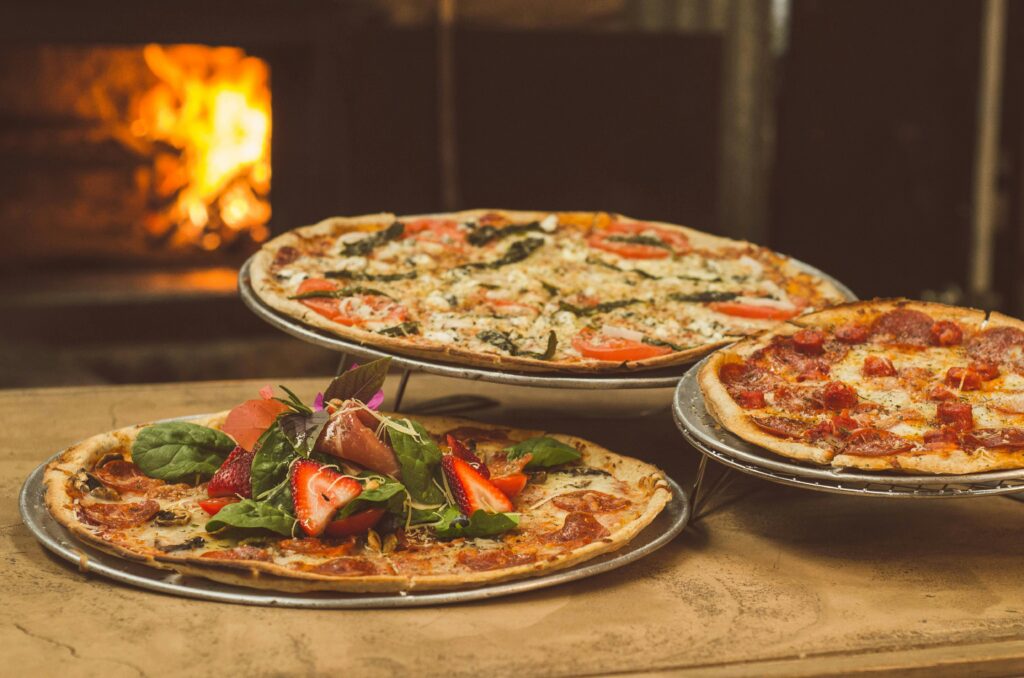
Paneer Tikka Pizza & Beyond – Pizza Gets Desi
Introduction: The Rise of Desi Pizzas
Pizza, the globally loved Italian classic, has undergone an extraordinary fusion transformation in India. From traditional Margherita and Pepperoni to Paneer Tikka Pizza, chefs and home cooks are experimenting with Indian spices, tandoori flavors, and regional toppings to create bold, flavorful variations that resonate with the Indian palate.
This article explores the evolution of Desi pizzas, essential ingredients, preparation techniques, signature recipes, health considerations, restaurant trends, and tips for home cooking, offering a comprehensive guide for enthusiasts of Indo-Italian fusion cuisine.
Understanding Desi Pizza
What Makes Pizza “Desi”?
Use of Indian spices and marinades such as tandoori masala, garam masala, and chili powders.
Toppings like paneer, chicken tikka, vegetables, and pickles replace traditional Italian ingredients.
Fusion sauces such as masala tomato, yogurt-based spreads, and curry-infused sauces complement cheese and crust.
Key Characteristics
Bold Flavors: Combination of tangy, spicy, and aromatic Indian ingredients.
Protein Variety: Paneer, murgh (chicken), tofu, or legumes.
Colorful Presentation: Vibrant vegetables and fresh herbs enhance visual appeal.
Fusion Creativity: Blending traditional Italian techniques with Indian culinary sensibilities.
Essential Ingredients for Desi Pizzas
Dough and Base
Pizza dough (store-bought or homemade)
Naan, tandoori roti, or multigrain alternatives for fusion twists
Olive oil, garlic, and butter for brushing
Cheese & Dairy
Mozzarella (classic Italian choice)
Paneer cubes or grated paneer for fusion topping
Yogurt-based sauces or cashew cream for creaminess
Proteins & Toppings
Paneer tikka cubes
Tandoori chicken or spiced chicken strips
Grilled vegetables: bell peppers, onions, mushrooms, tomatoes
Pickled vegetables or Indian chutneys for added zing
Spices & Sauces
Tandoori masala, garam masala, chili powder, cumin, coriander
Curry or masala-infused tomato sauce
Yogurt-mint sauce drizzle
Schezwan or chili-garlic fusion sauces
Techniques for Perfect Desi Pizza
Preparing the Dough
Knead until soft and elastic
Rest for at least 1 hour for proper fermentation
Roll out to desired thickness
Marinating Proteins
Paneer: Marinate with tandoori masala, yogurt, and spices
Chicken: Use a spicy marinade of yogurt, chili powder, turmeric, and garam masala
Marinate for 30–60 minutes for optimal flavor absorption
Assembling the Pizza
Spread sauce evenly over the base
Layer marinated proteins and vegetables
Sprinkle generous cheese (mozzarella or paneer)
Add fresh herbs or microgreens on top
Baking
Preheat oven to 220°C (428°F)
Bake for 12–15 minutes or until cheese melts and crust is golden
Optional: Finish with a quick broil for extra crispness
Serving Suggestions
Slice and serve hot with chutney or chili-garlic dip
Pair with beverages like masala chai, sparkling water, or light beer
Garnish with coriander, chili threads, or pickled vegetables for color and flavor
Signature Desi Pizza Variations
Paneer Tikka Pizza
Marinated paneer cubes, bell peppers, onions, and tandoori spices
Tomato-masala base with mozzarella topping
Drizzle of mint-coriander chutney
Murgh Tikka Pizza
Spiced chicken tikka with caramelized onions and bell peppers
Tandoori or tomato-masala sauce base
Topped with mozzarella and fresh coriander
Veggie Masala Pizza
Grilled vegetables tossed with chaat masala
Tomato and chili-masala sauce with cheese
Garnished with fresh coriander and chili flakes
Butter Paneer Pizza
Paneer cubes in creamy butter masala sauce
Cheese layered on top, baked to golden perfection
Optional: Sprinkle kasuri methi for aroma
Exotic Fusion Pizza
Pickled vegetables, spiced mushrooms, and paneer or tofu
Drizzled with Schezwan or yogurt-mint fusion sauce
Perfect for experimental flavor seekers
Health and Nutrition Benefits
High Protein: Paneer, chicken, or legumes provide essential amino acids
Vegetable-Rich: Colorful toppings add fiber, vitamins, and minerals
Spice Advantages: Indian spices have anti-inflammatory and antioxidant properties
Balanced Fats: Olive oil and moderate cheese use keeps it healthy
Customizable: Can be made vegan with plant-based cheese and tofu
Dining Trends & Restaurants
Cities Leading the Fusion Pizza Trend
Delhi NCR: Gourmet pizza joints experimenting with Desi flavors
Mumbai: Street-style and artisanal fusion pizzas
Bangalore & Pune: Cafes offering vegetarian and vegan fusion pizzas
Hyderabad: Spice-forward Desi pizza with traditional Indian toppings
Chef Innovations
Introducing regional Indian flavors like Hyderabadi biryani pizza or Kerala-style coconut curry pizza
Seasonal vegetable toppings with fusion sauces
Vegan and gluten-free options gaining popularity
Tips for Home Cooks
Use fresh paneer or chicken for best texture
Balance spice and cheese to avoid overpowering the pizza
Preheat oven properly for crispy crust
Experiment with fusion sauces for signature flavor
Garnish creatively for visual appeal and flavor balance
Challenges & Considerations
Balancing Indian spices with Italian flavors without overpowering
Preventing paneer or chicken from drying out in the oven
Slicing pizza cleanly with soft or thick crusts
Educating diners or family about the fusion concept
Frequently Asked Questions
Can Desi pizzas be made vegan?
Yes, replace paneer with tofu or plant-based cheese and use vegan sauces.
Do Desi pizzas compromise Italian authenticity?
Fusion pizzas respect Italian technique while introducing Indian flavor innovation.
Are these pizzas suitable for parties?
Yes, they make visually appealing and flavor-packed finger foods.
Can spice levels be adjusted?
Absolutely, spice can range from mild to extra hot based on preference.
Conclusion: Pizza Reinvented
Paneer Tikka Pizza and other Desi creations exemplify the magic of culinary fusion. By blending Italian tradition with Indian spices, chefs and home cooks create dishes that are vibrant, flavorful, and visually stunning.
Whether served at a gourmet restaurant or made at home, Desi pizzas showcase innovation while celebrating the diversity of flavors and ingredients, proving that fusion cuisine can be both authentic and adventurous.
Written by: Altaf Hussain
Leave a Reply