
Title: Behind the Scenes: A Chef’s Desi Chinese Menu Design – Crafting Flavorful Experiences
Author: Altaf Hussain
Behind the Scenes: A Chef’s Desi Chinese Menu Design
Designing a Desi Chinese menu is an intricate process that blends culinary creativity, market research, and an understanding of customer preferences. From conceptualizing signature dishes to ensuring balance in flavors, textures, and visual appeal, chefs meticulously craft menus to deliver a unique dining experience.
This article takes you behind the scenes of a chef’s approach to designing a Desi Chinese menu, exploring techniques, strategies, dish selection, flavor balancing, plating, and operational considerations for restaurants.
Understanding the Foundations of Desi Chinese Cuisine
Before menu design begins, a chef must understand the essence of Desi Chinese cuisine:
Fusion Flavors: Combines Chinese techniques with South Asian spices and ingredients
Cooking Methods: Stir-frying, steaming, pan-frying, deep-frying, and tandoori-style grilling
Popular Ingredients: Chicken, prawns, paneer, vegetables, soy sauce, vinegar, garlic, Schezwan sauce
Signature Dishes: Chicken Manchurian, Hakka noodles, Chilli chicken, Schezwan fried rice
A menu must reflect authenticity while catering to local taste preferences, ensuring it resonates with the target audience.
Key Principles in Menu Design
Designing a successful Desi Chinese menu involves several guiding principles:
1. Balance of Flavors
Sweet, spicy, tangy, umami
Balancing chili, garlic, soy sauce, and vinegar
Ensuring each section of the menu complements the other
2. Diversity of Cooking Techniques
Include steamed, fried, and stir-fried options
Provide vegetarian and non-vegetarian choices
Offer fusion dishes for novelty and creativity
3. Visual Appeal
Menu descriptions should be enticing
Include vibrant colors in dish presentation
Highlight signature dishes and chef specials
4. Portion and Price Strategy
Portions should match customer expectations
Pricing aligned with ingredient cost and local market
Options for individual servings, combos, and family packs
Planning the Menu Structure
A well-designed menu is logically organized to guide customer choices:
Appetizers & Starters
Spring rolls, veg Manchurian, chicken balls
Light, flavorful, and quick to prepare
Main Course
Chicken Manchurian, Hakka noodles, Schezwan fried rice
Offer vegetarian, non-vegetarian, and fusion options
Specialty Dishes
Chef specials like tandoori momos or honey chili prawns
Rotating seasonal specials to maintain excitement
Sauces and Sides
Schezwan sauce, chili garlic sauce, tomato chutney
Accompaniments enhance flavor and customer experience
Desserts & Drinks
Optional Indo-Chinese desserts (e.g., sweet corn soup with coconut milk, exotic fried desserts)
Beverages to complement spicy and tangy dishes
Selecting Ingredients for Flavor and Consistency
Proteins: Chicken, prawns, tofu, paneer
Vegetables: Cabbage, carrot, bell peppers, mushrooms, spring onions
Sauces & Condiments: Soy sauce, vinegar, Schezwan, chili sauce, ketchup
Oils & Spices: Garlic, ginger, sesame oil, chili flakes, black pepper
Chef tip: Ingredients must be consistent in quality and flavor profile to maintain customer trust and repeat business.
Menu Innovation: Signature and Fusion Dishes
Signature Dishes
Unique take on classics like Chicken Manchurian with new sauces or presentation
Highlight local spices to differentiate from competitors
Fusion Innovations
Paneer Hakka noodles
Tandoori momos with tangy Indo-Chinese sauces
Veg Manchurian in exotic gravies
Innovation ensures the menu remains fresh and attracts new customers.
Operational Considerations for Menu Design
Chefs must consider kitchen workflow and efficiency:
Preparation Time: Choose dishes that can be prepped or partially prepped in advance
Cooking Complexity: Balance simple dishes with more complex signature items
Ingredient Overlap: Maximize the use of ingredients across multiple dishes to reduce waste
Seasonality: Adjust menu according to seasonal availability of vegetables or seafood
Pricing and Profitability Strategy
A successful menu balances customer satisfaction and profitability:
High-margin items: Fried rice, noodles, and sauces
Premium dishes: Prawns, chef specials, or fusion creations
Combo deals: Encourage larger orders while providing value
Chef tip: Monitor sales data regularly and rotate less popular items to optimize revenue.
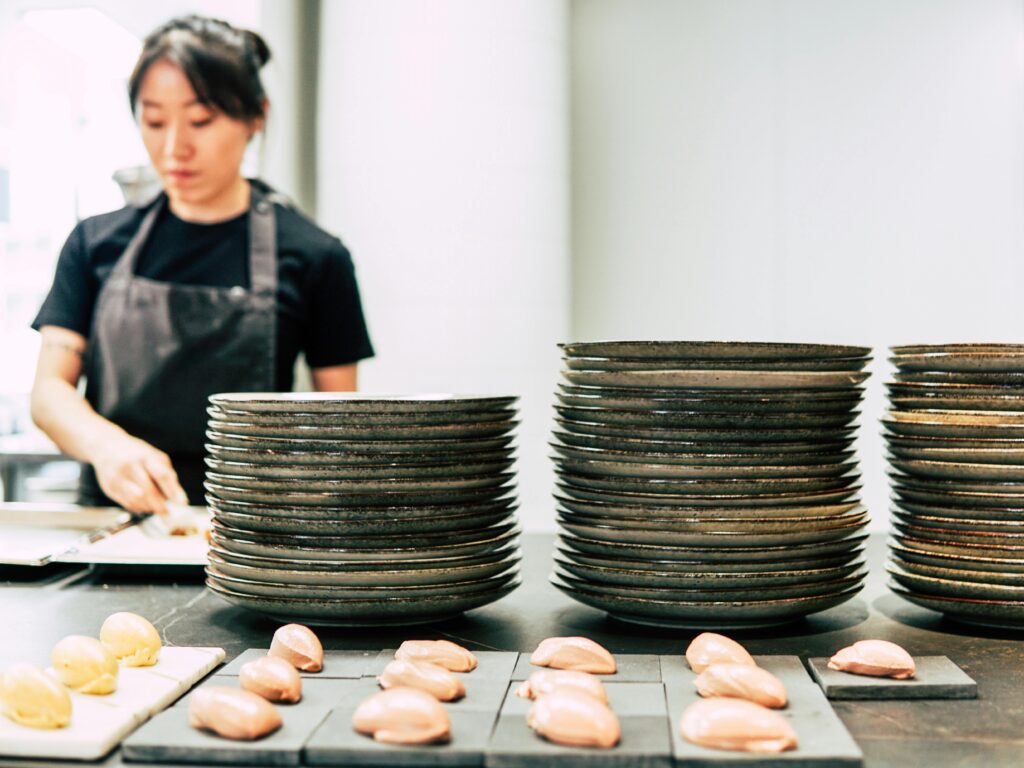
Plating and Presentation: The Visual Experience
Serve dishes with vibrant garnishes: spring onions, sesame seeds, coriander
Highlight textures: crispy, saucy, or tender components
Use contrasting colors to enhance appeal
Menu photography or illustration can attract customers in digital and print menus
Marketing & Menu Positioning
A Desi Chinese menu should appeal to target customers:
Digital Marketing: Use social media to showcase chef specials and combos
Menu Design: Eye-catching layouts, chef notes, and descriptive text
Promotions: Limited-time specials, festive menus, and tasting platters
Customer Feedback: Regularly update menu based on customer preferences
Training Staff for Menu Execution
Ensure kitchen and service staff understand each dish
Provide recipe cards with ingredients, cooking methods, and portion size
Train staff on presentation and plating standards
Encourage staff to suggest pairings and upsell chef specials
Common Challenges in Desi Chinese Menu Design
Balancing Authenticity vs. Local Taste: Some dishes may need adaptation
Ingredient Sourcing: Fresh vegetables, quality meats, and sauces
Consistency: Maintaining flavor across multiple shifts
Customer Expectations: Catering to both spice-lovers and mild palates
Menu Fatigue: Rotating items to keep the menu exciting
SEO Keyword Highlights
Desi Chinese menu design
Chef tips Indo-Chinese cuisine
Indo-Chinese restaurant menu
Chicken Manchurian recipes
Hakka noodles menu
Indo-Chinese fusion dishes
Restaurant menu planning Pakistan
Frequently Asked Questions
What is the most important aspect of a Desi Chinese menu?
Balance of flavors, diverse options, and appealing presentation are crucial.
How often should a menu be updated?
Seasonally or every 3–6 months, depending on ingredient availability and customer feedback.
Can street-style dishes be included in fine-dining menus?
Yes, with careful plating and flavor adjustment, street-style dishes can be elevated for restaurant settings.
Conclusion
Designing a Desi Chinese menu is both an art and a science. It requires:
Deep understanding of flavors and techniques
Strategic selection of ingredients and dishes
Attention to kitchen workflow, pricing, and marketing
Creativity in presentation and innovation
A well-crafted menu not only attracts customers but also defines the restaurant’s identity, showcasing the chef’s expertise and vision. By balancing tradition, innovation, and customer preferences, chefs can create an unforgettable Desi Chinese dining experience.
Written by: Altaf Hussain
Leave a Reply