
Edo to Delhi: How Japanese Food Has Been Adapted in India
Introduction: A Journey from Edo to Delhi
Japanese cuisine has captivated food lovers worldwide with its precision, fresh ingredients, and elegant presentation. As it crossed borders and reached India, chefs and culinary enthusiasts began adapting these flavors to suit Indian tastes. This adaptation, sometimes called Indo-Japanese cuisine, has resulted in a vibrant culinary movement, merging Japanese techniques with Indian spices, textures, and ingredients.
From sushi rolls infused with tandoori spices to ramen with masala broth, this fusion showcases how global cuisines evolve when they encounter new cultures. This article explores the history, adaptation methods, signature dishes, and trends of Japanese food in India, highlighting how Edo’s traditions have been transformed on Delhi’s plates.
The Origins of Japanese Cuisine
Japanese cuisine is renowned for its minimalistic approach, emphasizing the natural flavors of high-quality ingredients. Key features include:
Freshness: Raw fish for sushi and sashimi is handled with precision.
Balance: Flavor profiles are carefully balanced between sweet, salty, sour, and umami.
Presentation: Dishes are visually appealing, with emphasis on color, arrangement, and texture.
Signature Dishes: Sushi, sashimi, tempura, ramen, miso soup, and nigiri define traditional Japanese fare.
Understanding these fundamentals is crucial to appreciating how Japanese cuisine has been adapted abroad.
Arrival of Japanese Cuisine in India
Japanese cuisine began appearing in Indian metros in the early 2000s, primarily through high-end restaurants in cities like Delhi, Mumbai, and Bangalore. Initially, these restaurants replicated traditional sushi, ramen, and tempura. However, as Indian diners grew accustomed to the cuisine, chefs began experimenting with local ingredients and Indian flavor profiles.
The adaptation process included:
Adding Indian spices to sushi rolls
Incorporating tandoori or masala-marinated proteins
Creating fusion sauces combining soy, chili, and Indian aromatics
Adjusting textures and spice levels to Indian palates
This creative experimentation gave rise to Jap-Desi cuisine, a fusion of Japanese techniques and Indian flavor complexity.
Key Principles of Indo-Japanese Fusion
Adapting Japanese food for Indian diners requires maintaining balance between authenticity and innovation. Chefs focus on:
Flavor Balance: Merging Japanese umami with Indian spices without overpowering the dish.
Ingredient Substitution: Using paneer, tandoori chicken, or masala vegetables in place of traditional Japanese proteins.
Presentation: Preserving Japanese aesthetics while adding colorful Indian garnishes.
Accessibility: Simplifying certain Japanese techniques for the Indian kitchen and home cooks.
Popular Japanese Dishes with an Indian Twist
Sushi and Nigiri Fusion
Tandoori Salmon Nigiri: Salmon marinated in Indian spices and lightly seared atop sushi rice.
Paneer Maki Roll: Paneer cubes marinated in tandoori yogurt, rolled with cucumber and rice.
Spicy Chicken Sushi: Chicken tikka incorporated into sushi rolls, finished with Schezwan-soy drizzle.
Ramen Adaptations
Masala Broth Ramen: Traditional Japanese broth infused with Indian spices like garam masala and chili.
Tandoori Chicken Ramen: Grilled chicken tikka served over ramen noodles with spiced broth.
Vegetable Curry Ramen: Indian vegetable curry adapted to ramen noodles, combining Japanese technique with Indian flavor.
Tempura and Grilled Specialties
Chili Garlic Tempura: Vegetables and seafood fried in tempura batter, tossed in Indian chili garlic sauce.
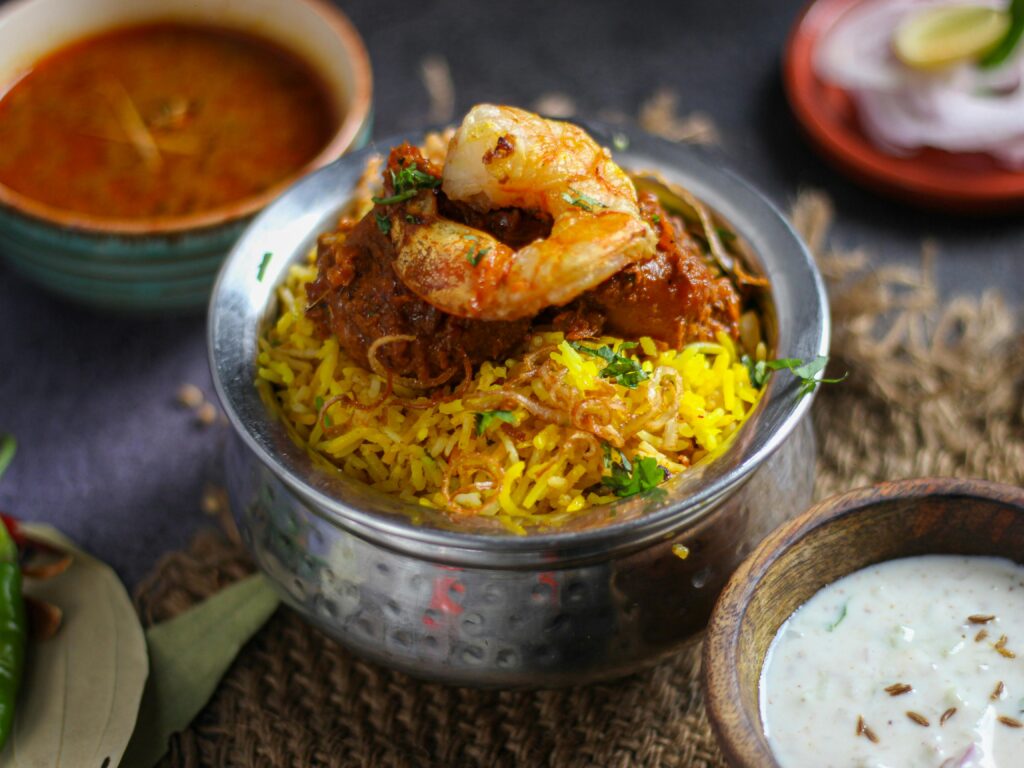
Tandoori Prawn Tempura: Prawns marinated in Indian spices, lightly fried, and served with a tangy dipping sauce.
Japanese Desserts with Indian Touch
Cardamom Mochi: Mochi rice cake flavored with Indian cardamom.
Mango Sticky Rice Fusion: Mango sticky rice combined with saffron or pistachio toppings for Indian flair.
Ingredients Driving the Fusion
Japanese Essentials
Sushi rice, rice vinegar, nori sheets
Fresh fish (salmon, tuna, prawns)
Soy sauce, mirin, miso paste
Tempura batter
Indian Essentials
Tandoori masala, chili powder, turmeric, garam masala
Paneer, chicken tikka, spiced vegetables
Chutneys, yogurt-based marinades
Fresh herbs: cilantro, mint
Fusion Staples
Tandoori mayo, Schezwan sauce, masala soy glaze
Pickled Indian vegetables
Garnishes like chili threads and toasted sesame seeds
Techniques for Indo-Japanese Fusion
Marination: Proteins like chicken, paneer, or prawns are marinated in Indian spices before being integrated into sushi or tempura.
Rice Preparation: Sushi rice is cooked traditionally but occasionally paired with aromatic Indian herbs.
Rolling Sushi: Nori sheets and fillings are combined creatively, ensuring Indian spices do not overwhelm Japanese rice texture.
Broth Infusions: Ramen broths are simmered with Indian spices to add warmth and depth.
Tempura Frying: Indian proteins or vegetables are lightly battered and fried while maintaining crispness.
Plating and Presentation
Even with bold Indian flavors, presentation follows Japanese aesthetics:
Bright contrasting colors from spices, herbs, and garnishes
Cleanly sliced sushi rolls and nigiri for visual appeal
Artistic drizzle of fusion sauces
Microgreens and edible flowers to enhance texture and color
Presentation is key to retaining Japanese elegance while introducing Indian vibrancy.
Health and Nutrition Considerations
Indo-Japanese fusion dishes can be healthy:
Lean proteins from fish, chicken, or tofu
Fresh vegetables in sushi and tempura
Controlled use of spices enhances flavor without excess oil
Portion management with sushi rice and noodles keeps meals balanced
Home cooks can make even richer fusion dishes healthier by baking or steaming instead of deep-frying.
Trends in Japanese Food Adaptation in India
Increasing presence of Jap-Desi restaurants across metro cities
Growing popularity of sushi bowls and ramen fusion street food
Social media influence showcasing plated Indo-Japanese creations
Use of locally sourced ingredients like Indian paneer, seasonal vegetables, and regional spices
Challenges in Adapting Japanese Cuisine for India
Balancing Spices: Too much chili can overpower delicate sushi flavors.
Ingredient Sourcing: High-quality seafood and Japanese staples can be expensive or hard to find.
Maintaining Authenticity: Ensuring dishes retain Japanese precision while embracing Indian boldness.
Consumer Education: Diners may be unfamiliar with certain traditional Japanese ingredients or textures.
Successful adaptation requires careful planning, creativity, and quality control.
Frequently Asked Questions
Is Indo-Japanese cuisine spicy?
Fusion dishes can range from mild to moderately spicy depending on the Indian spices used.
Are vegetarian options available?
Yes, paneer, tofu, and vegetable-based sushi or ramen are common.
Do I need special tools to try these dishes at home?
Basic tools like a sharp knife, bamboo mat, non-stick pan, and a steamer are sufficient.
Is Indo-Japanese fusion healthy?
Yes, with fresh proteins, vegetables, and controlled spice and oil usage, these dishes can be nutritious.
Conclusion: The Future of Japanese Food in India
The journey from Edo to Delhi demonstrates the evolution of Japanese cuisine in a new cultural context. By combining Japanese precision with Indian spices, chefs have created a vibrant, bold, and visually appealing fusion. From sushi rolls and ramen to tempura and desserts, Indo-Japanese cuisine is poised to continue growing in popularity, delighting food lovers in India and beyond.
This fusion is a testament to how culinary traditions can adapt, innovate, and cross cultural boundaries without losing their essence.
Written by: Altaf Hussain
Leave a Reply