
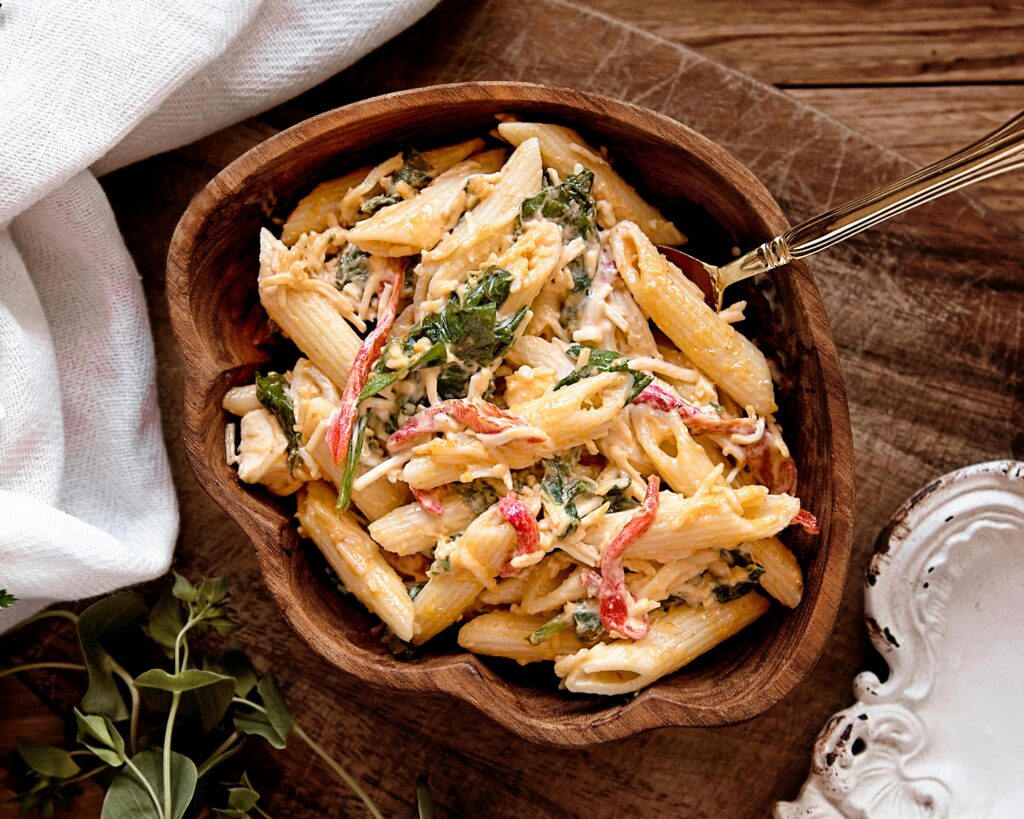
How to Make Desi‑Style Pasta Sauce With Indian Spices
Introduction: The Fusion of Italian Technique and Indian Flavor
Pasta is a global favorite, known for its simplicity and versatility. But adding Indian spices transforms ordinary tomato-based or cream sauces into Desi-style pasta sauces, giving them a bold, aromatic twist that is unique, comforting, and deeply flavorful.
This guide will explore the history, ingredients, techniques, variations, and tips to make authentic Desi-style pasta sauce at home, suitable for both beginners and culinary enthusiasts.
Why Desi-Style Pasta Sauce?
Fusion of Cultures
Italian pasta emphasizes simplicity, fresh ingredients, and balance.
Indian cuisine focuses on aromatic spices, bold flavors, and layering of taste.
Combining these approaches results in a flavorful, comforting, and visually appealing sauce.
Benefits
Adds complexity to standard pasta dishes
Customizable to spice tolerance
Easily paired with vegetables, proteins, or paneer
Encourages home experimentation with masalas
Essential Ingredients
Base Ingredients
Tomatoes: Fresh, ripe tomatoes or canned for sauce base
Onions and Garlic: Essential aromatics for depth of flavor
Oil/Butter: Olive oil or ghee for authentic Indian richness
Indian Spices
Cumin seeds or powder
Coriander powder
Garam masala
Turmeric and chili powder
Kasuri methi for finishing touch
Optional Ingredients
Cream, milk, or yogurt for creamy sauces
Paneer, tofu, or chicken for protein
Bell peppers, corn, peas, or carrots for vegetables
Fresh herbs: coriander, mint, or curry leaves
Tools & Techniques
Tools
Heavy-bottomed pan or skillet
Blender for smooth sauce
Wooden spoon for sautéing
Spice grinder (optional for fresh spice powders)
Techniques
Sautéing aromatics: Onions, garlic, and green chilies cooked until golden for depth
Toasting spices: Blooming cumin, coriander, or chili powder in hot oil enhances aroma
Simmering tomatoes: Break down tomatoes into a thick, flavorful base
Balancing creaminess: Add cream, yogurt, or cashew paste for texture and richness
Finishing touches: Sprinkle kasuri methi, fresh coriander, or lemon juice for freshness
Step-by-Step Recipe: Classic Desi Tomato Pasta Sauce
Ingredients
4 large ripe tomatoes
1 medium onion, finely chopped
3 garlic cloves, minced
1 tsp cumin seeds
1 tsp coriander powder
1 tsp garam masala
½ tsp turmeric powder
1 tsp chili powder (adjust to taste)
2 tbsp olive oil or ghee
Salt to taste
Fresh coriander leaves for garnish
Method
Heat oil in a pan, add cumin seeds until they splutter.
Sauté onions until golden brown, then add garlic and cook for 1 minute.
Add chopped tomatoes, turmeric, chili, and coriander powders.
Cook until tomatoes break down and form a thick paste.
Blend the mixture for smooth sauce (optional).
Return to pan, simmer for 5–7 minutes, adjust salt and spice.
Add garam masala and stir.
Serve with cooked pasta and garnish with fresh coriander.
Variations of Desi Pasta Sauce
Creamy Masala Sauce
Add 2–3 tbsp cream or yogurt for a rich, silky texture
Works well with fusilli or penne pasta
Paneer Masala Sauce
Fold in sautéed paneer cubes
Ideal for vegetarian protein boost
Tandoori Chicken Pasta Sauce
Add grilled chicken tikka pieces to the sauce
Garnish with mint-coriander chutney drizzle
Veggie-Loaded Masala Sauce
Sauté carrots, peas, bell peppers, or corn with the sauce
Great for kids and health-conscious diners
Coconut Curry Pasta Sauce
Blend in coconut milk with Indian spices
Mild, aromatic, and creamy for exotic flavor
Cooking Tips
Adjust spice levels according to preference
Simmer longer for deeper flavors
Use fresh herbs for garnishing, not cooking, to maintain brightness
Combine proteins carefully to prevent overcooking
Experiment with regional masalas like Punjabi, Hyderabadi, or Goan for variety
Pairing Pasta with Desi Sauce
Mac & Cheese Twist: Pour over cooked macaroni with cheese for fusion comfort food
Pizza Base: Use sauce as topping for Desi-style pizza
Stuffed Pasta: Fill ravioli or cannelloni with veggies and sauce
Side Dish: Serve with garlic bread, roti, or naan for fusion meals
Health & Nutrition Benefits
Vegetables: Rich in vitamins, fiber, and antioxidants
Protein: Paneer, chicken, or legumes provide essential amino acids
Spices: Anti-inflammatory, digestion-aiding, and metabolism-boosting
Customizable fat content: Adjust oil, butter, or cream usage
Kid-Friendly: Mild version without chili works for children
Dining Trends & Restaurant Insights
Popularity in Indian Cafes & Restaurants
Masala pasta sauces are trending in casual dining, fast-casual cafes, and home kitchens
Often paired with fusion pizzas, garlic bread, and Indo-Western sandwiches
Chef Innovations
Regional spice infusions (Hyderabadi, Goan, Punjabi)
Incorporating local vegetables and seasonal ingredients
Vegan adaptations with cashew cream, coconut milk, or tofu
Challenges & Considerations
Maintaining balance between Italian sauce consistency and Indian spice intensity
Avoiding overcooking or burning spices during sauté
Adapting spice levels for different palates
Consistency: Creamy vs chunky sauce preference
Frequently Asked Questions
Can Desi pasta sauce be made creamy without cream?
Yes, use yogurt, cashew paste, or coconut milk for creaminess.
Is this sauce suitable for kids?
Yes, reduce chili and strong spices for a kid-friendly version.
Can it be made vegan?
Absolutely! Use plant-based cream and skip dairy cheese.
How long can the sauce be stored?
It can be refrigerated for 3–4 days or frozen for up to 1 month.
Conclusion: Spice Up Your Pasta
Desi-style pasta sauce combines the richness of Italian cuisine with the vibrancy and bold flavors of Indian spices, creating a fusion that appeals to all palates. Whether served with macaroni, penne, spaghetti, or as a base for pizza, this sauce transforms simple pasta into a memorable culinary experience.
By experimenting with spices, herbs, vegetables, and proteins, home cooks and chefs alike can personalize and innovate, ensuring that every meal is flavorful, comforting, and truly Desi-Italian fusion.
Written by: Altaf Hussain
Leave a Reply