
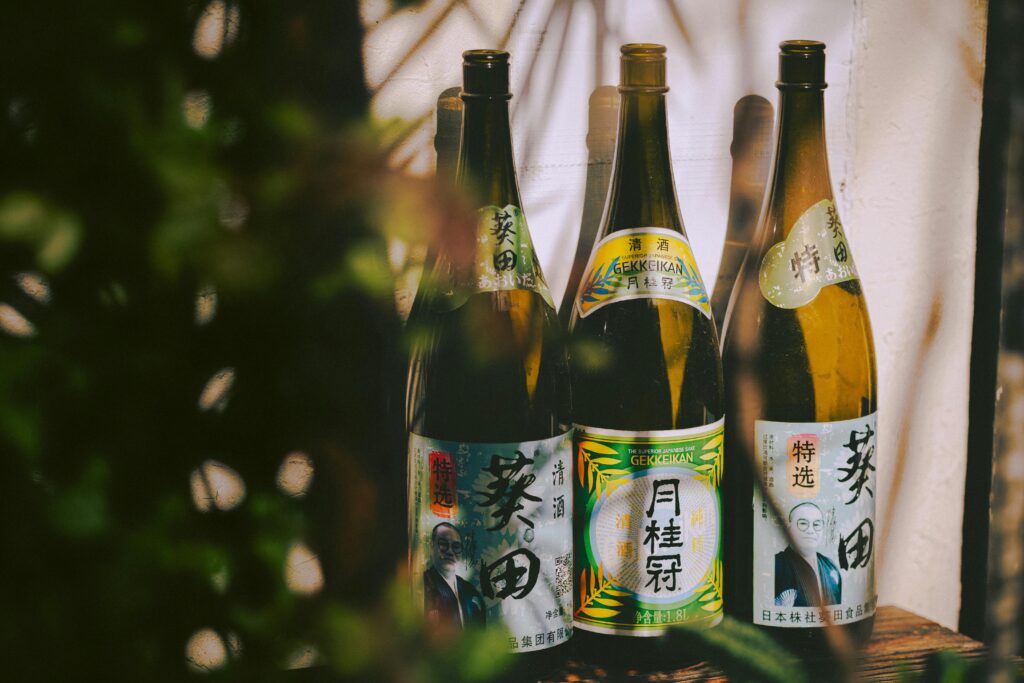
Sake & Sharbat: Unlikely But Winning Beverage Pairings
Introduction: A Fusion of Flavors Across Cultures
In the world of beverages, the unexpected often becomes extraordinary. The pairing of Japanese sake with South Asian sharbat—sweet, spiced, or fruit-infused syrups—demonstrates how two seemingly opposite traditions can complement each other beautifully.
While sake is known for its delicate umami notes and subtle sweetness, sharbat is celebrated for its bold flavors, vibrant colors, and refreshing qualities. Together, they create a Jap-Desi beverage experience that delights the palate while bridging two distinct culinary worlds.
This article explores the origins, pairing principles, popular combinations, health considerations, and practical tips for enthusiasts looking to experiment with sake and sharbat fusion.
Understanding Sake: Japan’s Traditional Brew
Origin: Sake, also called nihonshu, is a fermented rice wine integral to Japanese culture.
Flavor Profile: Ranges from sweet and fruity to dry and earthy, with subtle umami undertones.
Types of Sake:
Junmai: Pure rice sake, rich and full-bodied
Ginjo: Fragrant and smooth, often slightly sweet
Daiginjo: Premium, delicate, aromatic
Nigori: Unfiltered, creamy, slightly sweet
Consumption: Served chilled, warm, or at room temperature, often paired with sushi, tempura, or grilled dishes.
Understanding Sharbat: South Asia’s Traditional Elixir
Origin: Sharbat is a sweet, flavored drink popular in India, Pakistan, and surrounding regions.
Flavor Profile: Ranges from floral (rose, kewra) to fruity (mango, pomegranate) or spiced (cardamom, saffron).
Types of Sharbat:
Fruit-based: Mango, pomegranate, lemon
Flower-based: Rose, hibiscus, saffron
Herbal/spiced: Mint, ginger, cardamom
Consumption: Usually chilled, served with ice, and often enjoyed during festivals or as a refreshing summer drink.
Principles of Pairing Sake with Sharbat
Balance Sweetness: Choose a sweeter sake with mildly sweet sharbats, or a dry sake with fruit-forward sharbats for contrast.
Complement Aromatics: Floral sharbats pair well with fragrant sake like Ginjo or Daiginjo.
Enhance Umami: Rich, savory sharbats (like spiced tamarind or mint) can highlight sake’s subtle umami notes.
Temperature Harmony: Chilled sake pairs best with cold sharbat for refreshing fusion; warm sake can be experimented with for spiced sharbat infusions.
Color & Presentation: Vibrant sharbats enhance the visual appeal of sake-based cocktails or mocktails.
Popular Sake & Sharbat Pairings
Classic Fruit-Based Combinations
Mango Sharbat + Nigori Sake: Creamy texture of unfiltered sake complements sweet mango.
Pomegranate Sharbat + Junmai Sake: Tart pomegranate contrasts the umami richness of sake.
Floral & Aromatic Combinations
Rose Sharbat + Ginjo Sake: Fragrant pairing ideal for summer evenings.
Saffron-Kewra Sharbat + Daiginjo Sake: Exotic, aromatic, and luxurious experience.
Spiced & Herbal Combinations
Mint-Lemon Sharbat + Junmai Sake: Refreshing and bright with subtle complexity.
Cardamom-Sharbat + Nigori Sake: Warm spice notes complement creamy sake texture.
Creative Fusion Recipes
Chilled Mango Sake Mocktail
Ingredients: Nigori sake, mango sharbat, ice cubes, fresh mint
Method: Mix sake and mango sharbat 1:1, serve over ice, garnish with mint
Rose Ginjo Sake Spritzer
Ingredients: Ginjo sake, rose sharbat, soda water, edible flowers
Method: Combine sake and sharbat, top with soda water, garnish with flowers
Spiced Tamarind Sake Cooler
Ingredients: Junmai sake, tamarind sharbat, a pinch of black salt, lemon slice
Method: Mix ingredients, serve chilled in a highball glass
Hibiscus Sake Float
Ingredients: Daiginjo sake, hibiscus sharbat, scoop of vanilla ice cream
Method: Pour sake over hibiscus sharbat, add ice cream for creamy fusion
Health & Nutrition Insights
Moderation is Key: Sake contains alcohol; adjust proportions for lighter fusion drinks.
Natural Ingredients: Using real fruit or flower sharbats enhances antioxidants and vitamins.
Hydration: Chilled, diluted beverages help balance alcohol intake while providing refreshment.
Spice Benefits: Cardamom, ginger, and mint contribute digestive and antioxidant properties.
Modern Applications in Bars and Restaurants
Many fusion restaurants now feature Jap-Desi beverage menus, including sake-sharbat cocktails.
Sake pairing dinners explore the synergy between Japanese cuisine and South Asian flavors.
Experimental bartenders use sharbats as syrups for sake-based mixology.
Visual presentation is emphasized with layered drinks, colorful garnishes, and clear glassware.
Tips for Home Mixology
Experiment with ratios; start 1:1 and adjust based on sweetness and alcohol intensity.
Use fresh herbs or edible flowers for garnish.
Chill ingredients for optimal refreshment.
Consider layering sharbats with sake for visually striking drinks.
Record successful combinations to refine personal Jap-Desi beverage creations.
Challenges & Considerations
Balancing alcohol with sugar content to avoid overpowering sweetness.
Matching the subtlety of sake with bold sharbats requires careful experimentation.
Cultural acceptance: Some traditionalists may prefer classic preparations.
Ingredient availability: Authentic sharbats and high-quality sake may need sourcing.
Frequently Asked Questions
Can sake and sharbat be consumed by non-alcohol drinkers?
Yes, you can dilute sake or use sake-flavored non-alcoholic alternatives.
Which sharbats work best for summer fusion drinks?
Mango, rose, hibiscus, and mint are refreshing and complement chilled sake.
Can these drinks be paired with food?
Yes, they pair well with Jap-Desi fusion appetizers, sushi, tempura, and light grilled dishes.
Are these drinks suitable for parties?
Absolutely! They are visually appealing, unique, and perfect for themed events or fusion tasting menus.
Conclusion: Embracing Unlikely But Winning Pairings
Sake and sharbat fusion exemplifies the beauty of culinary experimentation. By blending Japanese subtlety with South Asian vibrancy, these beverages create new taste experiences that are refreshing, aromatic, and visually stunning.
Whether served at home, in upscale bars, or fusion restaurants, these Jap-Desi beverage pairings demonstrate that unlikely combinations often yield the most delightful results.
For enthusiasts of mixology, the sake-sharbat concept opens a world of creative exploration, perfect for 2026 trends in fusion drinks.
Written by: Altaf Hussain
Leave a Reply