
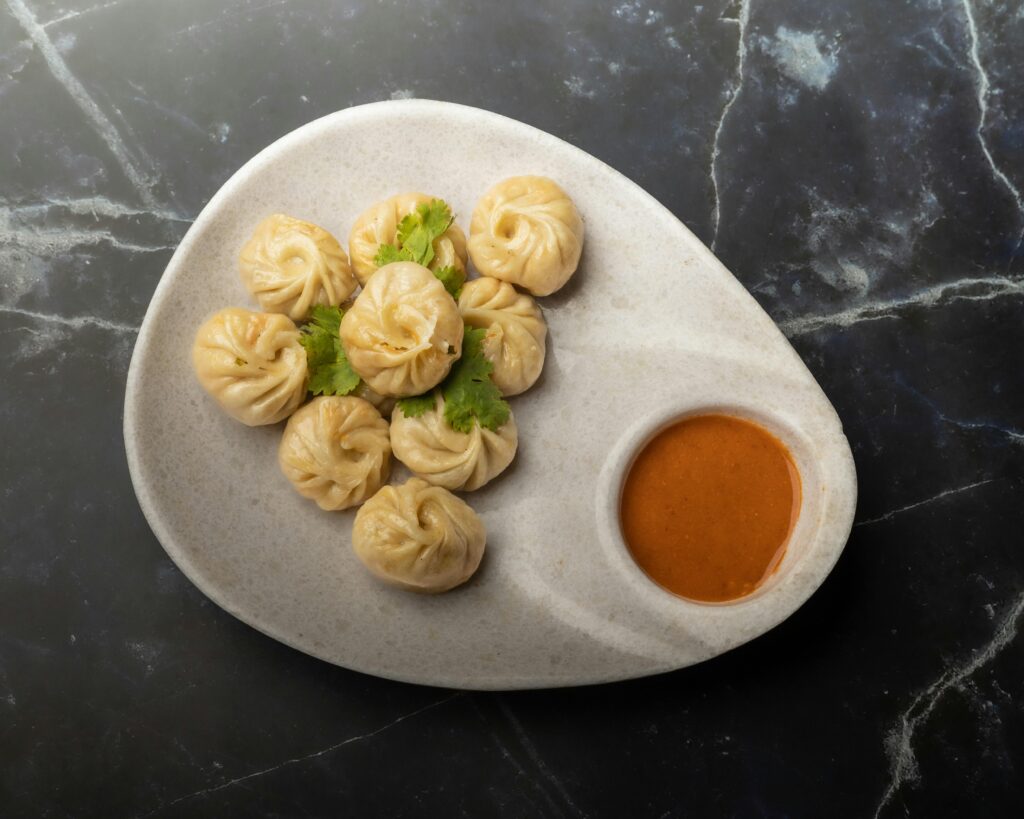
Title: The Rise of Indo-Chinese Dumplings & Momos – From Street Food to Culinary Phenomenon
Author: Altaf Hussain
The Rise of Indo-Chinese Dumplings & Momos
Indo-Chinese cuisine has become an integral part of Indian culinary culture, and among its most beloved creations are dumplings and momos. These small, flavorful parcels have captured the imagination of street food lovers and fine-dining enthusiasts alike.
Originally inspired by Tibetan and Chinese traditions, Indo-Chinese dumplings have evolved with local spices, sauces, and cooking techniques to create something entirely unique—an intersection of Chinese culinary precision and Indian bold flavors.
This article explores the rise of Indo-Chinese dumplings and momos, covering history, varieties, preparation techniques, street food culture, health adaptations, and why they continue to dominate menus across India.
Historical Origins: From Tibet & China to India
Dumplings and momos originated in the Himalayan regions of Tibet and North-East India. Traditionally, these dumplings were:
Simple in preparation
Steamed or boiled
Filled with meat, vegetables, or cheese
Mildly spiced for delicate flavors
When the dish migrated to Kolkata and other metropolitan hubs, local culinary practices transformed them into the Indo-Chinese versions we know today.
Key historical milestones:
Tibetan Influence: Steamed dumplings filled with yak or beef became popular in Himalayan settlements.
Chinese Influence: Hakka Chinese immigrants brought stir-fried and sauce-based dumpling techniques.
Indian Adaptation: Masalas, chili, garlic, and tomato-based sauces transformed momos into street-food favorites.
What Defines Indo-Chinese Momos & Dumplings?
Indo-Chinese dumplings and momos are distinct because they blend:
Chinese techniques: Steaming, pan-frying, and wrapping dough around fillings.
Indian flavors: Garlic, ginger, green chili, soy sauce, Schezwan sauce, and tomato ketchup.
Common characteristics:
Bite-sized and portable
Filled with vegetarian or non-vegetarian ingredients
Served with tangy, spicy, or sweet sauces
Adaptable to fried, steamed, or tandoori cooking methods
Popular Types of Indo-Chinese Momos
Steamed Momos
Light and soft
Retain natural flavor of vegetables or meat
Often served with Schezwan or chili garlic sauce
Fried Momos
Crispy exterior
Rich and indulgent
Popular in street food stalls
Tandoori Momos
Marinated with spices and grilled in a tandoor
Smoky flavor
Increasingly popular in restaurants
Paneer or Veg Momos
Vegetarian fillings for wider audience
Includes carrots, cabbage, capsicum, and tofu
Chicken Momos
Most popular non-vegetarian option
Juicy and protein-rich
Coated with garlic or Schezwan sauces
Key Ingredients in Indo-Chinese Momos
Dough: All-purpose flour (maida) or whole wheat alternatives
Filling:
Veg: cabbage, carrot, capsicum, mushrooms, paneer
Non-Veg: chicken, minced meat, prawns
Spices: Garlic, ginger, green chilies, spring onions
Sauces: Soy sauce, vinegar, chili sauce, tomato ketchup
Optional binding agents: Cornflour or rice flour for crispy fried momos
Preparation Techniques
1. Steaming
Dough is rolled into small circles.
Filling is placed in the center, edges pinched to seal.
Steam in a bamboo steamer for 8–12 minutes.
2. Frying
Coat momos lightly in cornflour or rice flour.
Deep-fry or shallow-fry until golden brown.
3. Pan-Frying (Potsticker Style)
Heat 1–2 tablespoons of oil in a non-stick pan.
Fry momos on one side, add water, cover and steam to finish.
4. Tandoori/Grilled
Marinate momos in yogurt and spices.
Grill in tandoor or oven until lightly charred.
Flavor Profiles: Veg vs Non-Veg Momos
| Type | Flavor Notes | Texture | Popular Sauce Pairing |
|---|---|---|---|
| Veg | Mild, fresh, slightly sweet from vegetables | Soft/steamed or crispy/fried | Garlic, Schezwan, tomato |
| Chicken | Savory, umami-rich, juicy | Firm yet tender | Chili garlic, Schezwan, soy |
Street Food Culture & Popularity
Indo-Chinese momos became a street food sensation due to:
Affordability
Quick preparation and portability
Strong flavors suitable for Indian palate
Availability in metro cities like Delhi, Mumbai, Kolkata, and Bengaluru
Street vendors often sell:
Steamed momos with Schezwan dip
Fried momos with spicy sauces
Paneer or chicken momos with tangy chutneys
Healthier Adaptations of Momos
Modern trends emphasize health-conscious Indo-Chinese options:
Gluten-free dough: Rice flour or millet flour substitutes
Baked instead of fried: Reduces oil content
Lean protein fillings: Chicken, tofu, or paneer
Extra vegetables: Increases fiber and vitamins
Low-sodium soy sauce: Reduces sodium intake
Indo-Chinese Dumplings vs Momos
While both share similarities, there are subtle differences:
Dumplings: Broader term, can include Chinese-style wontons, gyozas, or Hakka dumplings.
Momos: Specifically adapted Tibetan-style dumplings, popular in North-East India.
Sauce adaptation: Indo-Chinese versions are spicier with tangy sauces.
Size and shape: Momos are often round with pinched tops; dumplings can be folded in various styles.
Popular Indo-Chinese Dumpling Variations
Hakka Dumplings: Pan-fried or steamed with soy and ginger.
Schezwan Dumplings: Filled with meat/veg, tossed in spicy Schezwan sauce.
Cheese Momos: Creamy paneer or processed cheese fillings.
Tandoori Momos: Smoked flavor from grilling in a tandoor or oven.
Tips for Perfect Momos
Use fresh vegetables or protein for maximum flavor.
Ensure tight sealing to avoid filling leakage during steaming.
Avoid over-flouring the dough; too thick makes momos chewy.
Steam immediately after preparation to retain moisture.
Serve with fresh herbs, spring onions, and a variety of sauces.
Nutritional Insights
Steamed momos:
Low in fat
Rich in protein and fiber
Contains essential vitamins from vegetables
Fried momos:
Higher calorie content
Crispy texture
Best enjoyed in moderation
Non-veg momos:
Excellent protein source
Contains essential amino acids
Slightly higher in fat depending on meat cut
Indo-Chinese Momos in Modern Cuisine
Restaurants and cafes across India have reinvented momos for fine dining:
Fusion momos with cheese, chocolate, or exotic sauces
Keto-friendly momos using almond or coconut flour
Gourmet presentations with dipping sauces and salads
Pairing with soups like Manchow or Hot & Sour for a complete meal
SEO Keyword Highlights
This article incorporates key search terms:
Indo-Chinese momos
Dumplings India
Street food momos
Veg and non-veg momos
Hakka dumplings
Chicken momos India
Steamed dumplings India
Indo-Chinese cuisine
Frequently Asked Questions
Are momos originally Indian?
No, they originate from Tibet and were adapted into Indo-Chinese cuisine with local spices.
What is the difference between momos and dumplings?
Momos are round, Tibetan-style dumplings; dumplings can include a variety of shapes and fillings.
Can I make momos healthy at home?
Yes, use steaming, baked versions, lean proteins, extra vegetables, and low-sodium sauces.
Conclusion
The rise of Indo-Chinese dumplings and momos represents more than a culinary trend—it’s a fusion of culture, flavor, and innovation. From street food stalls in Delhi to upscale restaurants in Bengaluru, momos have become a beloved snack and meal option for millions.
With endless variations, healthy adaptations, and bold Indo-Chinese flavors, momos continue to dominate the hearts—and stomachs—of food enthusiasts across India.
Written by: Altaf Hussain
Leave a Reply