
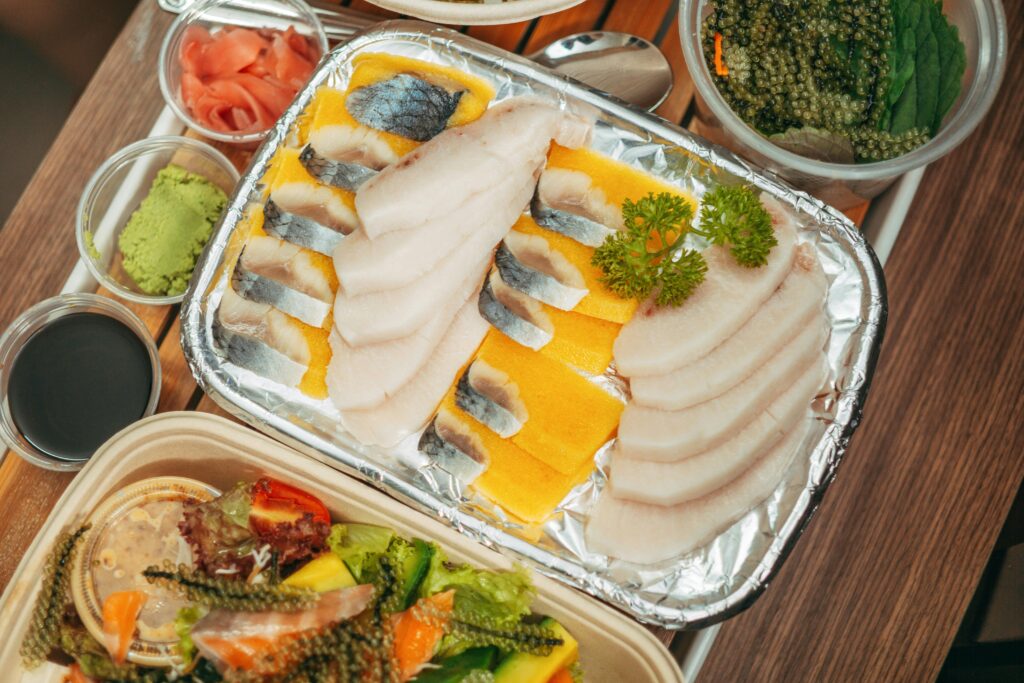
Vegan & Plant‑Based Japanese Desi Options
Introduction: The Rise of Vegan Jap-Desi Cuisine
The culinary world is witnessing a plant-based revolution, and Japanese Desi fusion is no exception. Vegan and plant-based Japanese Desi options are emerging across urban dining scenes, combining Japanese precision and technique with South Asian spices and health-conscious ingredients.
These dishes redefine traditional recipes, replacing meat, seafood, and dairy with vegetables, tofu, legumes, and innovative plant-based alternatives. From miso-infused rasam to tandoori tempeh sushi, these creations offer vibrant flavors without compromising on nutrition.
This article explores the rise, ingredients, techniques, signature dishes, restaurant trends, and tips for home cooks interested in vegan Jap-Desi cuisine.
Understanding Vegan Japanese Desi Cuisine
Defining Vegan & Plant-Based Jap-Desi
Vegan Jap-Desi dishes exclude all animal products (meat, dairy, eggs).
Plant-based options emphasize whole foods like vegetables, legumes, tofu, tempeh, and grains.
Fusion principles: Balance Japanese subtlety with Indian spices, maintain umami flavors, and create visually appealing dishes.
Key Features
Umami-Rich Ingredients: Miso, soy sauce, shiitake mushrooms, seaweed
South Asian Aromatics: Curry leaves, cumin, coriander, ginger, garlic
Creative Protein Alternatives: Tofu, tempeh, jackfruit, legumes
Colorful Presentation: Vegetables, microgreens, herbs, edible flowers
Essential Ingredients for Vegan Jap-Desi Cooking
Japanese Essentials
Miso paste (white, red, or blended)
Soy sauce, tamari, and mirin
Kombu, nori, and dashi alternatives
Tofu, tempeh, edamame, and mushrooms
South Asian Essentials
Fresh herbs: coriander, mint, curry leaves
Spices: turmeric, chili, cumin, cardamom, black pepper
Lentils, chickpeas, jackfruit
Coconut milk, tamarind, and yogurt alternatives
Fusion Staples
Vegan tandoori marinades with chickpea yogurt
Miso-tamarind or miso-mango sauces
Spiced tempura batters using rice flour or chickpea flour
Herb garnishes and edible flowers
Techniques in Vegan Jap-Desi Cooking
Broth Infusions: Miso combined with South Indian spices or coconut milk for depth
Marination: Plant proteins like tofu or tempeh marinated with tandoori spices
Tempura & Stir-Frying: Vegetables, mushrooms, or jackfruit fried lightly with spiced batters or sautéed with masalas
Noodle Fusion: Ramen or soba noodles paired with vegetable-based broths
Presentation: Minimalistic Japanese plating with vibrant Indian colors
Signature Vegan Dishes
Miso Rasam
Miso paste blended with South Indian rasam spices, tamarind, and curry leaves
Served hot as a comforting, umami-rich soup
Tandoori Tofu Sushi
Tofu marinated in plant-based tandoori spices, rolled with cucumber, carrot, and nori
Served with a vegan Schezwan or miso dipping sauce
Jackfruit Tempura
Young jackfruit pieces battered and fried with spiced tempura mix
Accompanied by a tamarind-miso dip
Coconut Curry Ramen
Ramen noodles in coconut milk and spice-infused broth
Topped with stir-fried vegetables, tofu cubes, and herbs
Spiced Edamame
Steamed edamame tossed in garlic, chili, and curry leaf oil
Served as a fusion appetizer
Plant-Based Nigiri
Mushroom or grilled vegetable nigiri with tamari glaze
Garnished with microgreens or chili threads
Restaurants Pioneering Vegan Jap-Desi Cuisine
Urban Dining Trends
Delhi NCR: Focused on high-end fusion tasting menus with vegan options
Mumbai: Casual and street-style Jap-Desi vegan creations
Bangalore: Innovative plant-based sushi bowls and ramen dishes
Hyderabad & Pune: Growing vegan-friendly menus blending Indian and Japanese techniques
Notable Offerings
Vegan miso rasam and soups
Tandoori tempeh sushi rolls
Coconut curry ramen with seasonal vegetables
Spiced jackfruit and tofu tempura
Health and Nutrition Benefits
High Protein: Tofu, tempeh, edamame, and legumes
Rich in Antioxidants: Fresh vegetables, spices, and herbs
Low in Saturated Fats: Plant-based oils and minimal frying
Digestive Benefits: Use of fermented ingredients like miso and tempeh
Balanced Flavors: Japanese umami combined with Indian spices encourages mindful eating
Tips for Home Cooks
Start with simple recipes like Miso Rasam or Tandoori Tofu Sushi
Adjust spice levels gradually when combining Indian masalas with Japanese sauces
Use seasonal vegetables for freshness and color
Garnish creatively with herbs, microgreens, or edible flowers
Experiment with plant-based substitutes for dairy or seafood
Challenges in Vegan Jap-Desi Cooking
Maintaining authentic Japanese umami while using plant-based ingredients
Ensuring spice balance without overpowering subtle flavors
Sourcing premium Japanese ingredients in local markets
Educating diners and home cooks about plant-based fusion options
Frequently Asked Questions
Are Jap-Desi fusion dishes easy to veganize?
Yes, many dishes like sushi, tempura, ramen, and curries adapt well to plant-based alternatives.
Can these dishes be high in protein?
Absolutely. Tofu, tempeh, edamame, lentils, and chickpeas provide sufficient plant-based protein.
Do vegan Jap-Desi dishes taste authentic?
With careful spice balance and umami-rich ingredients, vegan options retain authentic flavor profiles.
Are these dishes suitable for health-conscious diners?
Yes, they are nutrient-rich, low in saturated fat, and high in antioxidants.
Conclusion: Embracing Plant-Based Innovation
Vegan and plant-based Japanese Desi options represent the perfect intersection of health, flavor, and innovation. These dishes showcase how traditional Japanese techniques and South Asian spices can be reimagined without meat or dairy, offering vibrant, nutritious, and satisfying meals.
For home cooks, restaurateurs, and food enthusiasts, Jap-Desi vegan cuisine is a testament to the creative possibilities of fusion cooking, proving that plant-based options can be just as flavorful, indulgent, and visually striking as their traditional counterparts.
Written by: Altaf Hussain
Leave a Reply